In a world often obsessed with the new, there is a special charm in restoring and preserving the old. Whether it is an old heirloom passed down from generation to generation or an item of secret value found at a flea market, the art of restoration allows us to breathe new life into old items. This article is a complete guide to restoring old and vintage items. It’s about the skills, tools and love it takes to bring these priceless pieces of history back to life.
How Do You Understand the Appeal of Restoring Old Things?
1. Value Based on Feelings
Old and vintage items often have sentimental value for us because they connect us to the past and our own history. Whether it is a beloved piece of furniture, an old car or an old clock, restoring it not only protects the object itself but also the memories and stories associated with it.
2. Cultural Significance
Many old and ancient things have cultural significance and show how people made and designed things in different eras. By addressing these issues, we help preserve our cultural history and allow future generations to enjoy the skills and arts of the past.
Important Restoration Tools and Materials for Old and Vintage Items:
1. Things that Need Cleaning
The first step in any restoration job is cleaning it. Mild soaps, soft brushes and sensitive surface cleaners help remove dirt, grime and rust without damaging them.
2. Wood Repair Products
Wood polishes, varnishes and wood fillers are very important when restoring wooden furniture and other objects. By filling in gaps and giving the wood a protective surface, these items once again reveal their natural beauty.
3. Metal Grinding and Polishing
Many old and vintage items are made of metal parts that can discolor or rust over time. Polishes and rust removers can help restore the shine to metals such as brass, copper and iron.
4. Glue and Fillers
To repair cracks, chips, or missing parts in older items, you’ll need glue and fillers. Whether you’re repairing a broken box or damaged furniture, these materials will help keep the structure strong.
5. Organize Materials
Waxes, sealants and topcoats are some of the finishing materials that can be used to put the finishing touches on a restoration job. They can protect restored areas and generally make vintage or antique items look better.
A Step-by-Step Guide to Restoring Old Stuff:
1. Evaluation and Research
First, check the status of your project. Learn about the fit, design and original materials to know what to do to restore it. Knowing the provenance of an item allows restorers to make informed choices when restoring an item.
2. Clean and Prepare the Surface
Clean the items carefully with the appropriate cleaning tools. If the surface is sensitive, test the cleaner on a small, discreet area first. Remove any dirt, dust or grime that has accumulated on the item to see its true condition.
3. Structural Recovery
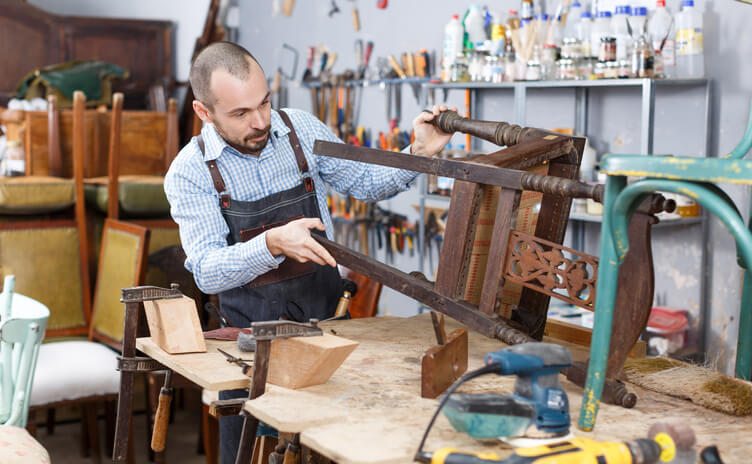
Address any structural issues, such as broken or loose parts. Use glue and dowels to repair cracks and reassemble missing parts. Ensure that the solution is robust and secure, taking into account the operation and stability of the project.
4. Attach the Wood
Specializing in wood restoration. If necessary, remove any old finishes. Then use wood filler to repair any scratches or gouges and use wood polish or varnish to bring out the natural beauty of the wood. Make sure the finish matches the previous appearance.
5. Solid Metal
Use the right cleaners and rust removers to repair metal parts. Wipe away rust and wipe with a soft cloth to bring out the metal’s natural shine. A protective coating should be used to prevent re-oxidation from occurring and to preserve the appearance of the repair.
6. Surface Finish
Refinishing a surface may include painting, staining, or applying a protective coating, depending on the item. Choose a style that fits the history of the item while still retaining your own personality.
7. The Finishing Touch and Ensuring Safety
A finishing material such as wax or sealant should be used to protect the repaired surface and improve its appearance. When conserving objects of value or historical significance, it is best to use museum-quality products.
How to Successfully Restore Old Stuff?
1. Don’t Rush
Patience is very important when restoring old items. If you rush the process, you may miss something or make mistakes. Take the time to think, research, and complete each step carefully to ensure the repair is complete and effective.
2. Do Not Change the Original Design
While restoration involves restoring items and making them look like new, it is also important to maintain the original design and craftsmanship of the items. If you change too much of it or important parts of it, you may lose some of its historical and visual value.
3. Consult an Expert If Necessary
If you encounter a problem or have questions about any part of the repair, don’t be afraid to talk to a professional. Professionals involved in restoration, appraisal or conservation work can provide you with useful information and advice.
4. Use Unfeasible Techniques
If possible, choose an irreparable solution. This ensures that people can make informed choices about the project in the future without having to change it in an irreversible way.
5. Write Down the Steps
Completely document the recovery process. This could include photos, notes, and any historical facts you discover during the research. Documenting a journey adds to the item’s history and can be shared with future owners.
Conclusion:
Keeping the history of a treasured object alive requires more than just fixing time-related damage to vintage and antique items. Those who specialize in the art of restoration help people continue to appreciate craftsmanship, style and history. Whether restoring a family heirloom or a long-lost discovery, the process is a journey of meaningful rediscovery, bringing together the past and present and ensuring that these classics are passed on to generations to come.
FAQs:
1. What is the difference between antique and vintage? Why are they useful for restoration?
Antiques are over 100 years old, while vintage items are 20–100 years old. Both are culturally or emotionally significant. Restoring ancient and antique artifacts preserves the craftsmanship and design aesthetics of the past, connecting people to history.
2. Should a beginner attempt to restore an antique or antique item, or should a professional assist?
Beginners can tackle some restoration projects, but they should start with the basics and master the skills. Valuable or complex parts may require professional help if you don’t have the skills. An expert or restoration expert can contribute to success.
3. How do I value an antique or antique item before it is restored?
To determine the value of an antique or vintage item, you need to research its history, provenance and market trends. An appraiser or advisor who has substantive expertise can help determine the value. The importance of the project partly determines the extent of the restoration.
4. Are certain vintage or antique objects better suited for restoration?
Condition, rarity and historical relevance determine the desirability of restoration. Household items, clocks, pottery and fabrics are often restored. Restoration should depend on the individual’s goals, expertise, and the cultural or sentimental value of the item.
5. How can the design and history of an object be preserved during restoration?
Vintage and antique restoration requires respect for the original design and history. Don’t exaggerate, make irreversible changes, or use elements that aren’t authentic. Examine the age of the item and use reversible repair methods. If in doubt, consult a restoration or conservation expert to protect the value of the item.