
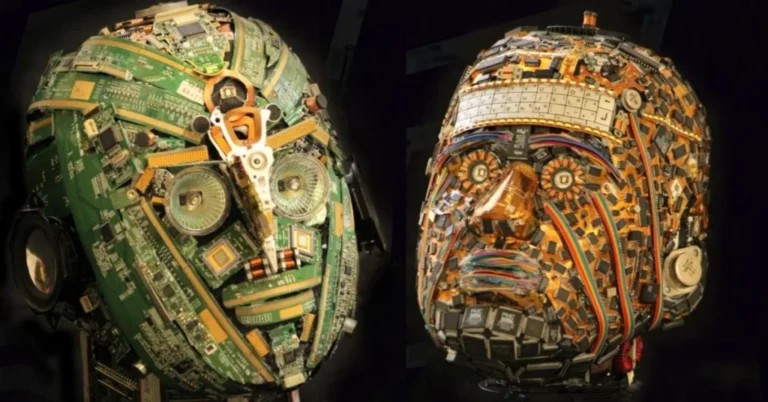
In a world driven by new technologies, the rapid adoption of electronic products has led to an alarming increase in the amount of e-waste (e-waste). As we try to figure out how to reduce the environmental damage caused by old electronics, there is a growing trend to turn them into beautiful works of art. This article explores the creative world of artistic repurposing of electronic waste and shows how artists and innovators use old electronics to create works that matter, make you think, and are beautiful.
The Rise of Electronic Waste:
1. Ubiquitous Electronic Products
Now that we have smartphones, computers and other ‘smart’ devices, electronics have become an important part of our daily lives. But the constant updates of new devices and retirement of old devices are exacerbating the growing problem of e-waste. Often, old circuit boards, wires and parts end up in landfills, which is bad for the planet.
2. Impact on the Environment
Hazardous chemicals such as lead, mercury and cadmium can enter land and water through e-waste, damaging ecosystems and human health. Improper disposal of e-waste raises concerns about pollution and loss of resources. The growing e-waste problem requires long-term solutions to manage it.
Art Response: Finding New Uses for Old Electronics
1. Combining Creativity and Sustainability
Repurposing electronic waste to create art is a great way to be creative and help the environment at the same time. Creative people like artists, designers and inventors come up with ingenious ways to reuse old computer parts, keep them out of landfills and give them a second chance as art supplies.
2. The Upgrade is Commendable
Upcycling is the process of turning waste into something useful and is at the heart of the art of reusing technological waste. Artists use old motherboards, cables and tools that are no longer useful as materials to create unique, striking works that challenge common ideas about waste.
Examples of Art made from Recycled Electronic Waste:
1. Sculptures made from Electronics
Artists use circuit boards, resistors and other electrical components to create intricate sculptures that combine art and technology. These sculptures made from electronic waste demonstrate its flexibility. They range from abstract shapes to realistic animal figures.
2. E-waste Tiles
Creating colorful mosaics is a new way to use old computer keys, smartphone screens and other tech gadgets. Often these mosaics convey powerful messages about technology, consumerism and how electronic waste harms the environment.
3. The Art of Effectiveness
Some artists go a step further and turn old electronics into usable art. From lamps made from old hard drives to furniture made from circuit boards, these pieces not only do something useful, but also make people think about the value of things that are often considered useless.
4. Painting on Electronic Canvas
Artists can now use discarded electronic parts as a canvas instead of just standard materials. When an artist paints directly on a circuit board or adds electronic components to a mixed-media work, it can be difficult to distinguish between technology and traditional art forms.
The Intersection of Art and Technology:
1. Thoughts on Consumerism
Repurposed e-waste artworks are often a commentary on consumerism, planned obsolescence, and the tech industry’s attitude toward throwing things away. Artists use their works to get people thinking about how quickly technological advances are impacting the environment.
2. Use Technology
Many artists have used electronic waste as a subject, even as a way to express their creativity. Using working parts in their art, these artists combine the realms of technology and art to reveal the beauty that already exists in the electronics we throw away.
3. Impact on Education
Artwork made from discarded electronics can also be used for educational purposes. Displaying these works of art in galleries and other public spaces is an interesting way to raise awareness about the impact of electronic waste on the environment. In addition to these types of programs, educational programs are often held to teach people how to properly dispose of and recycle waste.
The Future of Art made from Recycled Electronic Waste:
1. New Ideas for Sustainable Development
As technology continues to develop, so too do the works of art made from old electronics. Designers are finding new ways to use e-waste in eco-friendly ways, such as making fashion accessories from old computer parts or creating architectural installations from discarded gadgets.
2. Community and Cooperation
Collaboration and community involvement are important for the future of secondhand electronic art. Artists, scientists and tech enthusiasts are coming together to come up with creative ways to solve the e-waste problem. The goal of workshops and community programs is to get people to use repurposing to care for the planet.
Conclusion:
Repurposed e-waste art shows how resourceful and creative people can be when dealing with environmental issues. Not only do artists help reduce e-waste by turning old electronics into meaningful works of art, but they also start important conversations about how we use technology and our responsibility for its impact on the environment. As this artistic movement grows, it gives people hope for the future, where talent and sustainability work together to make the world a better place.
FAQs:
1. What is the art of electronic waste reuse and how does it promote sustainable development?
Electronic waste reuse art involves transforming discarded electronic components, such as circuit boards and wires, into works of art. This art form promotes sustainability by diverting e-waste from landfills and repurposing it into visually striking works that raise awareness of the environmental impact of e-waste.
2. How do artists create works of art that reuse electronic waste, and what are the most commonly used materials?
Artists use discarded electronic components such as circuit boards, wires, computer keys and outdated gadgets to create recycled-waste electronic art through upcycling. The creative process involves disassembling electronic devices and integrating these materials into sculptures, mosaics, paintings and functional works of art.
3. What messages or themes do electronic waste reuse artworks convey?
Repurposed e-waste artworks often convey messages related to consumerism, planned obsolescence, and the impact of technology on the environment. Artists use their creations to encourage viewers to think about our throwaway culture and spark discussions about responsible consumption and waste management.
4. Can recycled e-waste art be functional, or is it mainly decorative?
Reusing e-waste art is more than just decoration; some pieces are also functional. The artist uses discarded electronic components to create functional objects such as furniture and lamps, demonstrating the versatility of e-waste as a medium. These works not only serve a practical purpose but also convey a strong environmental message.
5. How can individuals participate in the art movement for e-waste reuse or support sustainable development through art?
To get involved in the art movement for repurposing electronic waste, individuals can start by exploring local art exhibitions or workshops that focus on sustainable art practices. Supporting artists who specialize in e-waste reuse art, participating in community projects, and educating about responsible e-waste disposal are all effective ways to contribute to sustainability through art.