
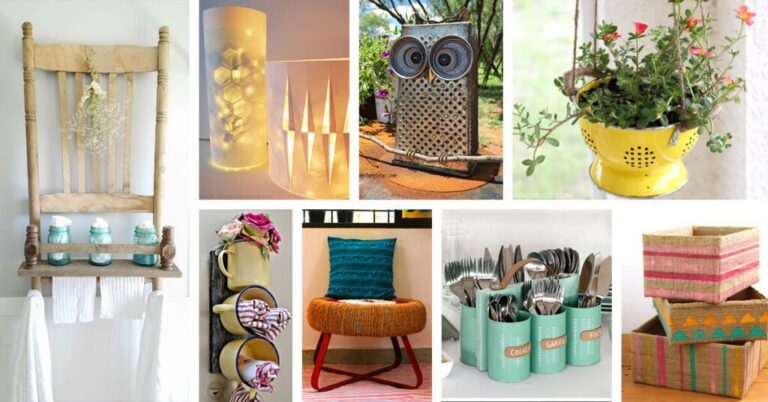
Home renovation is changing as the world embraces sustainable living and creativity. DIY home renovations, such as upcycling, are becoming increasingly popular as an environmentally friendly and affordable way to do this. In this article we explore upcycling DIY home improvement ideas, the benefits and inspiring projects to refresh existing materials.
Upcycling is at the Heart of DIY Home Improvement:
1. Upcycling Definition
Upcycling turns waste into valuable new goods. Unlike recycling, upcycling gives materials a new life. Recycling in home renovations is not just about beauty; it promotes sustainability and wisdom.
2. DIY Method
DIY home renovations allow homeowners to proactively transform their living spaces. DIY inspires creativity, practical involvement and a sense of achievement, which lends itself well to upcycling projects. Do-it-yourselfers love transforming their homes by restoring furniture and reusing materials.
Benefits of Upcycling DIY Home Improvements:
1. Ecological Sustainability
Upcycling minimizes the consumption of new materials and reduces the environmental impact of production and disposal. DIY renovators promote sustainable living and a circular economy by reusing products.
2. Cost-Effectiveness
Upgrading DIY home decor is cost-effective. Reusing materials or furniture is cheaper than buying new ones. This makes home renovations affordable and stimulates creativity.
3. Customization and Differences
Upcycling DIY projects allow people to personalize their homes. Each idea is unique, such as transforming an old door into a coffee table or using vintage crates as shelves. Upcycling stimulates creativity and originality.
4: Skills Development
Upcycling DIY home improvements build skills. Through practical projects, people can learn carpentry, painting, interior decoration and design. Transformational experiences involve learning.
Inspiring, Upcycled DIY Improvements:
1. Pallet Furniture Transformation
Discarded pallets can be turned into beautiful and functional furniture. DIYers can make pallet coffee tables, outdoor seating, and even bed frames. With sanding, painting and a touch of originality, the pallet can become an interior piece.
2. Old Photo Frame with Window View
Unique photo displays can be made from recycled window frames. Add photos or artwork to antique windows to create charming vintage photo frames. The project adds character and creatively reuses building components.
3. Transition from Door to Dining Table
Vintage doors with intricate decorations and features can be transformed into unique tables. Discarded doors can be transformed into a fun dining table or a rustic entry console with legs or a sturdy base. A table’s appeal often comes from antique door features.
4. Production of Tire Footrests
Tires are a common waste product that can be recycled into a nice footrest. DIYers can make eco-friendly chairs by wrapping the straps with string, fabric or recycled straps. This project shows how simple items can become beautiful and functional.
5. Wine Barrel Sideboard
Discarded wine barrels have many uses. A bathroom vanity converted into a wine barrel adds rustic elegance to the home. The barrel is both functional and decorative, and its natural contours and wood grain make it unique.
DIY Home Decor Tips for Successful Upcycling:
1. Plan Carefully
Before you begin any DIY home improvement project, planning is crucial. Consider the purpose, scale and aesthetics of the project. Planning ensures that the final product meets functional and design requirements.
2. Material Inspection
Recycled materials must be carefully inspected. Check for damage, stability and safety. Addressing these issues early in the project will ensure the success and longevity of the project.
3. Creativity and Flexibility
Always be creative and flexible with your renovation. Upcycling DIY projects come with unexpected obstacles and opportunities. Being open to change and new ideas can improve the experience.
4. Safety First
Prioritize safety when doing DIY renovations. Wear safety equipment, work in a well-ventilated area, and follow tool and material handling requirements. The success of any recycling program depends on a safe workplace.
5. Learn and Share
The redesigned DIY community is inspiring and educational. Share your projects, get help and learn from other DIYers. Online forums, social media and local seminars can broaden your knowledge and ideas.
Conclusio:
Upcycled DIY improvements combine creativity, sustainability and customization. People promote conscious living and ingenuity by transforming unwanted materials into useful and attractive home furnishings. From recycled furniture to unique decoration: the possibilities for upcycling and DIY renovations are endless. This revolutionary approach allows homeowners to reinvent their living environment and contribute to a more sustainable and creative future.
FAQs:
1. What exactly is upcycling and DIY home decoration? How is this different from traditional home improvement projects?
Upcycling DIY home improvements involves repurposing and transforming existing or discarded materials into new and improved home decor or functional items. Unlike traditional home renovations, which often require purchasing new materials, upcycling focuses on reusing and creatively repurposing existing items to minimize waste and environmental impact.
2. Can anyone, regardless of DIY experience, participate in a home upgrade renovation project? Or is relevant expertise needed?
Individuals of all levels can participate in upcycling DIY improvement projects. While some courses require more expertise, there are plenty of options for beginners. By starting with simpler projects, beginners can gradually build confidence and skills. Online tutorials, workshops and community support provide valuable resources for those new to upcycling and DIY.
3. What are the environmental benefits of upcycling your interior yourself?
Upcycling DIY home improvements reduces the need for new materials and contributes to environmental sustainability. Reusing and upcycling items keeps them out of landfills, minimizing the environmental impact associated with production and disposal. By choosing an upcycling project, individuals can play a role in promoting a greener and more sustainable approach to home improvement.
4. How do you find the right materials for your upcycling DIY home improvement project? Are there specific materials that are best for beginners?
Materials suitable for upcycling DIY projects can be found through a variety of sources, such as thrift stores, flea markets, and even in your own home. Beginners can start with items such as pallets, old furniture or discarded wooden boxes. These materials are readily available, often inexpensive, and can be converted using relatively simple tools and techniques.
5. Are there any potential challenges or considerations associated with upcycling your home yourself? How to solve?
Challenges in upcycling DIY home improvements can include inspecting and preparing materials, adapting to unexpected problems, or ensuring the safety of the project. By thoroughly researching materials, planning ahead, prioritizing safety and being open to creative solutions, these challenges can be addressed. Additionally, sharing experiences and seeking advice from the upcycling DIY community can provide valuable insights into overcoming potential obstacles.