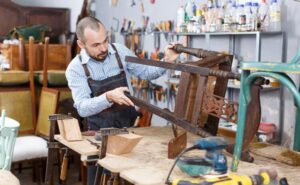
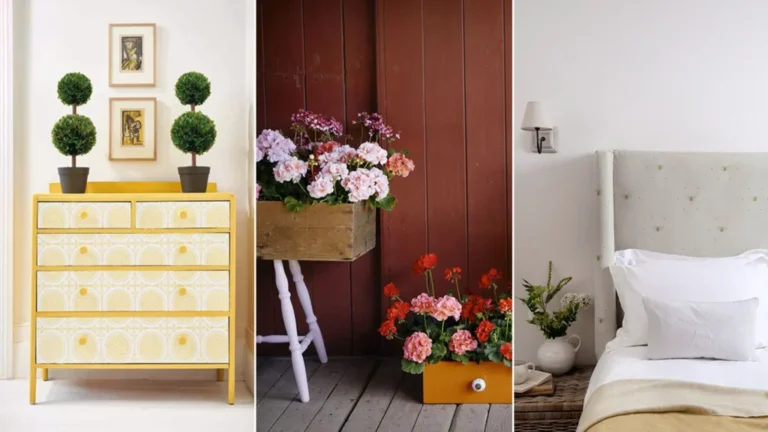
Upcycling furniture is a fun and eco-friendly trend for a sustainable future. Upcycle old furniture to give it new life and purpose instead of throwing it away. Upcycled furniture has many benefits and is an inspiring concept that can transform our homes and our planet.
Upcycling the Soul of Furniture:
1. Definition of Upcycled Furniture
Furniture upcycling is about the creative reuse of old furniture. Upcycling preserves the structure of the original item, making it more valuable and useful than throwing it away.
2. Designing Sustainability
Using reclaimed furniture can promote environmentally friendly design. It reduces the consumption of fresh raw materials, waste and the environmental impact of furniture production.
Benefits of Upcycling Furniture:
1. Ecological Conservation
One of the biggest benefits of furniture remodelling is its impact on the environment. By reusing furniture, people reduce the need for new materials and the ecological footprint of furniture production.
2. Affordable Home Decoration
Upcycling furniture is cheaper than buying new furniture. People can use their imagination and intelligence to give their homes a new, personalised look without spending a lot of money.
3. Retention of Emotional Value
Furniture can be upcycled to maintain emotional meaning. Upcycling can keep the story of your heirloom or personal item alive.
Inspiring Furniture Ideas for Upcycling:
1. Retro Charm, Weathered Finish
Give old wooden furniture new life with a distressed finish. Sanding and painting worn furniture can improve its appearance and add vintage charm to any interior.
2. Paper-Cutting Magic
Cut out old furniture to make it look new. Decoupage involves attaching fragile paper or fabric to a surface to create intricate patterns. This technique offers endless possibilities, from floral themes to abstract paintings.
3. Incompatible Chairs for Eclectic Dining
Use mismatched chairs to create a quirky dining table set. Bohemian chairs can be painted or left as is. Mixing and matching styles gives the restaurant personality.
4. Reclaimed Wood Crafts
Make beautiful reclaimed wood furniture from pallets, shed or antique furniture. Use reclaimed wood for coffee tables, bookshelves and bed frames to create a rustic look without using new wood.
5. Colourful Paint Changes
A fresh coat of paint can make old furniture look like new again. Use bright colours to turn boring pieces into eye-catching pieces. Give your home character with this simple but effective way of upcycling.
Tips for Successful Furniture Upcycling:
1. Preparation and Repair
Check for damage and repair it before upgrading your furniture. The success of an upcycling project depends on repairing structural defects and maintaining the furniture.
2. Choose Paint and Finishes
Choose paints and finishes based on the type and use of your furniture. Use water-based paint for indoor furniture and weatherproof paint for outdoor furniture. Upcycled furniture is durable and long-lasting.
3. Creative Hardware Upgrade
Replace common hardware with creative alternatives. Unique handles, knobs and handles can personalise upcycled furniture. Visit an antique store or repurpose old crockery for a unique touch.
4. Feature Changes
Upcycled furniture can be made more useful by adding functionality. Turn an old door into a desk, add storage to a neglected chest of drawers or turn a ladder into a stylish bookshelf. These changes give the furniture new life and make it more functional.
5. Customisation
Customise your updated furniture to reflect your personality. Add stencils, signatures or decoupage to make each piece unique and loved by your family.
Living with Upcycled Furniture:
1. Mix Styles for an Eclectic Appeal
Mix styles to combine updated furniture with existing furniture. Mix upcycled items with modern or vintage furnishings to create an eclectic and interesting home design.
2. Gallery Wall Planning
Gallery walls can display smaller recycled items such as frames, mirrors and shelves. This chosen approach turns your walls into vibrant displays of originality, allowing each repurposed object to shine like a work of art.
3. Focus of the Room
Set repurposed furniture as the focal point of the room. These statement pieces, such as a redesigned bedroom closet or a bright coffee table in the living room, can draw attention and start a conversation.
4. Environmentally Friendly Kitchen Solutions
Sustainable kitchen alternatives include repurposed furniture. Transform an old table into a kitchen island, wooden crates into storage racks or reclaimed wood into open shelving. These upgrades make the kitchen greener and more functional.
5. Outdoor Space Upgrades
Outdoor upgrades are possible. Use recycled furniture in patios and gardens. From old chairs transformed into plant stands to chairs made from recycled wood, upcycled garden furniture adds creativity to outdoor living.
Conclusion:
Upcycled furniture combines creativity, sustainability and functionality. As people reuse old furniture, they promote a greener lifestyle. Upcycling beautifies our homes and connects us with our environment. Reinventing rather than replacing can stimulate creativity, reduce waste and showcase repurposed furniture in your home.
FAQs:
1. How do I start upcycling furniture, especially if I have no previous experience with DIY projects?
Discover tips for beginners and step-by-step instructions for those new to furniture upcycling. Learn how to get started with simple projects, the tools needed, and the basic techniques to successfully transform old furniture into one-of-a-kind pieces.
2. Are there specific types of furniture that are better suited for upcycling? How do you identify furniture that could potentially be repurposed?
Discover the versatility of furniture suitable for upcycling and learn how to identify items with upcycling potential. From old wooden chairs to worn dressers, learn about the characteristics that make furniture ideal for creative makeovers.
3. What considerations should I take into account when choosing paints and finishes for my furniture upcycling project?
Learn more about choosing the right paints and finishes for upcycled furniture. Learn about considerations such as indoor or outdoor use, durability and compatibility of different materials to ensure a successful and long-lasting transformation.
4. How can I seamlessly integrate upcycled furniture into my existing interior without it standing out?
Discover tips to harmoniously integrate upcycled furniture into your interior. Learn about mixing styles, creating focal points, and curating gallery displays to ensure that upcycled pieces complement your existing furniture and enhance the overall aesthetic.
5. Are there any specific maintenance measures for an upgraded home? How can I guarantee the lifespan of this new furniture?
Learn maintenance tips for upcycling furniture to ensure its longevity. Learn about proper maintenance, possible adjustments, and considerations for different finishes to keep your upcycled creations vibrant and functional for years to come.