As a hobby or job, woodworking is a fun and satisfying activity that allows people to create something useful and beautiful. However, in the workshop, safety must come first to prevent accidents and ensure that the woodworking experience is both effective and enjoyable. This guide aims to give you all the information you need to keep your woodworking space safe. It covers everything from personal protective equipment (PPE) to shop fittings and equipment maintenance.
Personal Protective Equipment (PPE):
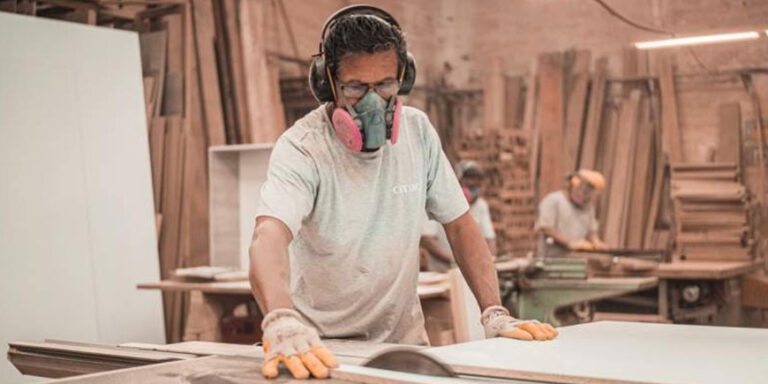
Wear Safety Glasses: Carpentry work can cause eye damage from sawdust, dust and other debris. To protect your eyes from possible injury, wear safety glasses or a face mask with side shields. Choose safety equipment that fits well, is comfortable and has adequate coverage.
Protect Your Hearing: Tools used for woodworking are often noisy, such as saws and knives, which can damage your hearing over time. Wear earplugs or earmuffs to block out noise and protect your ears. Make sure the hearing protection you choose has the correct noise reduction rating (NRR) for the aids you will be using.
Protect Your Lungs: Wood chips are very bad for your health and can cause breathing problems and lung diseases. To avoid inhaling hazardous particles, wear a good dust mask or woodworking respirator. To prevent dust accumulation, replace filters regularly and keep your workplace clean.
Protect Your Hands: Working with wood and tools can cause cuts, fractures and abrasions to your hands. Wear durable work gloves that protect your hands without restricting finger movement. Choose the right gloves for the job so you can hold your tools safely while reducing the risk of injury.
Clothing: If you don’t want to be stuck in a machine, don’t wear ill-fitting clothes. Long sleeves and pants can protect your skin from cuts, scrapes and other possible injuries. If you want extra protection against dust and other items, it is best to wear an apron or overalls.
Layout and Organization of the Workshop:
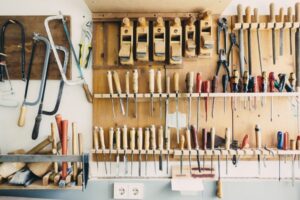
Clear Workspace: Keep work areas free of debris to reduce the risk of trips and falls. To ensure a safe workplace, keep tools and materials in their proper place and clean and organise them regularly.
Emergency Exits: Ensure that emergency exits are clearly marked and not blocked. Know where fire extinguishers, first aid kits and emergency contact information are located and share this knowledge with others. Check the emergency equipment regularly and replace it if necessary.
Air: Sufficient air is important to remove dust and fumes created during wood processing. Use an exhaust fan, air purifier or dust collection system to improve air quality. Ensure there is sufficient air circulation in closed areas to reduce the risk of respiratory problems.
Use Tools and Equipment Safely:
Regular Maintenance: Regular maintenance is necessary to ensure the normal and safe operation of all tools and equipment. Look for loose or damaged parts and replace or correct any problems immediately. When it comes to maintenance and lubrication, follow the manufacturer’s instructions.
Sharp Knives: Always keep knives and cutting tools sharp. When the blades become dull, they can spring back and cause a collision. Sharpen or replace your blades regularly to keep them cutting properly and reduce the risk of injury.
Tool Owner’s Manual: Follow the instructions in the tool’s owner’s manual on how to properly use the tool. Find out what each tool can’t do and what safety precautions you should take when using it. Never disable safety features or use tools in a manner not intended for their intended purpose.
Get Trained and Taught:
Skills Development: Take the time to learn how to use wood properly through education and training. Take a course or workshop, or seek the help of a more experienced woodworker. If people know how to use tools correctly, the risk of accidents is greatly reduced.
Stay Informed: Learn about new tools, safety rules and the best ways to work with wood. Security rules are regularly reviewed and updated based on new developments and recommendations for the business.
Beginner Supervision: Until they can demonstrate that they know how to use the tools properly, beginners should be under the supervision of a more seasoned woodworker. Emphasise the importance of patience and building skills slowly.
Conclusion:
Regardless of your experience, safety should come first when working with wood. By using the right safety equipment, keeping your workspace clean and organized, ensuring tools and equipment are safe, and spending money on training and education, woodworkers can create a safe space that encourages creativity and craftsmanship while reducing the risk of accidents and injuries are reduced. Security practices should be regularly reviewed and updated to keep pace with changes in technology and industry standards. This will help create a mindset to make the workplace safer at all times.
FAQs:
1. Why is shop safety important in woodworking?
Safety in the woodworking shop is critical to preventing accidents, injuries and health hazards. It ensures that craftsmen have a safe environment to work efficiently, minimising the risk of tool accidents and promoting a long-lasting and enjoyable woodworking experience.
2. What is the necessary personal protective equipment (PPE) for woodworking?
Necessary personal protective equipment for woodworking includes safety glasses or goggles to protect your eyes, earmuffs or earplugs to protect your hearing, a dust mask or respirator to protect your respiratory system, and durable work gloves to protect your hands. In addition, it is recommended to wear suitable clothing to avoid splinters and burns.
3. How do you ensure a tidy workplace in your woodworking shop?
To keep your workspace tidy, designate specific storage areas for tools and materials, clean and organize your workshop regularly, and promptly return tools to the designated locations after use. This minimises tripping hazards and creates an organised environment conducive to safe woodworking.
4. What should you pay attention to when setting up emergency exits in your workshop?
Emergency exits must be clearly marked, free of obstructions and easily accessible. Familiarise yourself and others with their location and ensure they have access to a safe outdoor space. Regularly check escape routes, make sure there is a fire extinguisher nearby and have a first-aid kit ready in case of an emergency.
5. How do you improve ventilation in a woodworking shop?
Use exhaust fans, air purifiers or dust collection systems to improve ventilation and remove dust and smoke. Open doors and windows to ensure air circulation in enclosed areas. Clean or replace air filters regularly to maintain good air quality and reduce breathing risks.