Carpentry is an age-old skill that is passed down from generation to generation. The type of wood used is very important for the result of every job. Many people use standard woods such as oak and pine, but more and more professionals are interested in trying exotic woods. These unique materials not only add a touch of class to your creations but also give you new ways to create intricate and beautiful designs.
Why Exotic Woods are So Attractive?
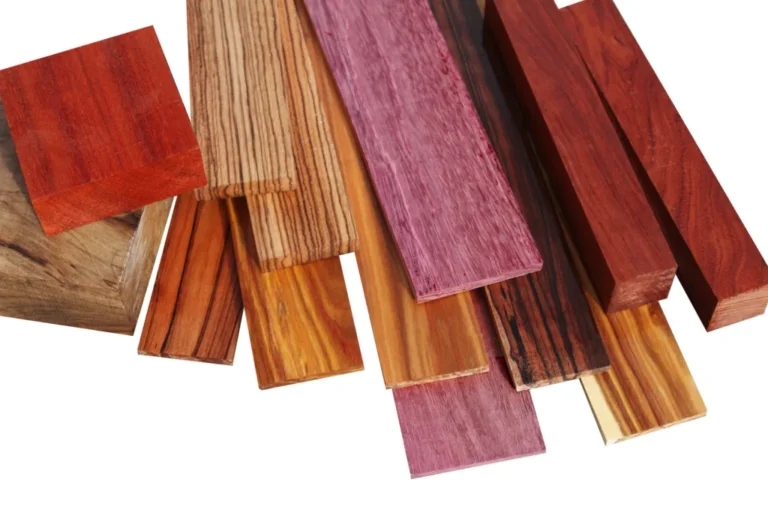
The trees from which the exotic wood is made are often not found in the area where the artist lives. Because of their unique colors, grains and grain patterns, these woods are in high demand for high-end craft projects. Here are some of the most famous rare woods and what makes them unique:
1. Purple Heart
The Purple Heart gives a royal feeling to any project with its bright purple color. Over time, the color darkens to a beautiful royal purple. Because it does not break down easily, it is an excellent material for furniture and home art.
2. African Wood
As the name suggests, zebra wood has a unique striped design that resembles the stripes of a zebra. This African hardwood gives furniture and finishes a sturdy and unique look. Because it looks different, it is often used to create a focal point in woodworking projects.
3.Teak
People love teak because it contains natural oils that protect it from rot and insects. This wood comes from Southeast Asia and has a strong texture. It has a warm, golden brown color that darkens over time. Teak is often used for garden furniture because it can withstand the elements well.
How to Choose the Right Exotic Wood?
Using rare woods can enhance your work, but there are a few things to consider before choosing one:
1. Long-Term Success
Check the origin of the wood to ensure it comes from forests that have been treated in a way that does not harm the environment. This helps protect the planet and ensures these valuable materials are available for long-term use.
2. Working Ability
Different rare wood species have different degrees of hardness and workability. Think about what you need for your project and choose a wood that suits the tools and skills you have.
3. Budget
Exotic wood can be more expensive than regular wood. Create a budget based on your needs and research options that fit your budget.
Taking Care of Exotic Woods:
Once you’ve found the right exotic wood for your project, it’s important to know how to take care of it and keep its beauty over time. In contrast to some common types of wood, rare types often need extra care to maintain their unique qualities. To take good care of rare woods, here are some important tips:
1. Getting Done
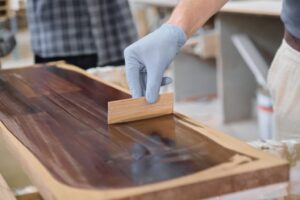
It is very important to use a good finish on rare woods to protect them from water, sunlight, and wear. Pick a finish that brings out the natural beauty of the wood while also protecting it. Many people choose tung oil or teak oil to bring out the shine in rare woods.
2. Staying Out of Direct Sunlight
A lot of the time, exotic woods are more sensitive to sunlight than common woods. Long-term exposure to strong sunlight can fade and change the color of things. To keep your finished projects safe from UV rays, you could put them away from windows or cover them with curtains or blinds.
3. Managing the Humidity
When the temperature changes, exotic woods may react more strongly, which could cause them to warp or crack. To avoid these problems, keep the humidity level stable in your living or working place. As needed, using a dryer or humidifier can help keep the air in balance.
4. Cleaning Often
Over time, dust and dirt can make rare woods look less beautiful. To keep your projects looking bright, dust them off with a soft, lint-free cloth every so often. Use a gentle wood cleaner that won’t take off the finish to get the job done better.
5. Thoughts on Storage
If you’re not going to be using your rare wood for a while, it’s important to store it correctly. Keep it somewhere cool and dry, out of direct sunlight and away from big changes in temperature. Covering it with a material that lets air flow through could keep dust off of it.
Showing Off Your Unique Woodworks:
When your project is finished and well-kept, you might want to show it to more people. Put high-quality pictures of the things you’ve made out of exotic wood in a portfolio or a special part of your website. How did you do it? What inspired you? What made the wood you used special? This not only shows off your skill, but it also brings in possible customers and other artists.
Conclusion:
Finally, picking exotic woods for your crafts is a fun and rewarding process that gives your work a bit of luxury and individuality. By learning about these woods’ properties and using the right care methods, you can make sure that your projects last and continue to impress people for years to come.
FAQs:
1. How do exotic woods differ from traditional woods?
Exotic wood comes from trees that are unusual in the area where the artisans live. Known for their unique colours, grains, and patterns, they add a touch of elegance and uniqueness to woodworking projects.
2. Is working with exotic woods more challenging?
Exotic wood types can have different hardness and workability. Some wood types can be more challenging than traditional wood types. It is important to consider your project requirements and choose a wood that suits your skills and tools.
3. Is exotic wood sustainable?
Durability varies depending on the wood source. It is essential to check that exotic wood comes from responsibly managed forests. Choosing sustainably produced wood not only protects the environment but also ensures the long-term supply of these unique materials.
4. How do you care for exotic wood to maintain its beauty?
Caring for exotic wood includes applying a high-quality finish, protecting it from direct sunlight, controlling humidity, regular cleaning, and proper storage. These measures help protect the wood from moisture, sunlight, and wear, ensuring its longevity and beauty.
5. Are exotic woods more expensive?
Due to their rarity and unique properties, exotic woods can be more expensive than traditional woods. Tradespeople should plan their budget accordingly and explore options that fit their financial constraints.