Tip: you can open search by tapping the magnifying glass icon at the top.
Must-Have Woodworking Tools for Beginners
5 min read
Advertisement
970×250 / 728×90 / 336×280
Woodworking is a fun and satisfying hobby that allows people to create useful and attractive things from raw wood. Whether you want to make furniture, do small crafts, or simply enjoy working with your hands, having the right tools is important. For new woodworkers, the wide variety of tools can be confusing. This guide details the most important woodworking tools for beginners, explaining what each tool does and how it works.
1. Measuring and Marking Tools
Measuring tape: A measuring tape is one of the most important tools in woodworking. Accurate measurements are important for precise cutting and assembly work.
Combined Straight Lines: This tool can be used to measure and mark 90-degree angles to ensure straight and accurate cuts.
Marking Gauge: You need a marking gauge to draw a line parallel to the edge so you can make accurate measurements over and over again.
2. Cutting Tools
Circular saw: A circular saw is a flexible and portable cutting tool that every beginner should have. It’s great for straight cuts.
Jigsaw: Without a jigsaw, it is impossible to make curved or complex cuts. Your craft projects can become more creative and flexible.
Miter saw: This is a stationary tool that allows you to cut wood more accurately. It’s great for making precise crosscuts and miter angles.
3. Carpentry Tools
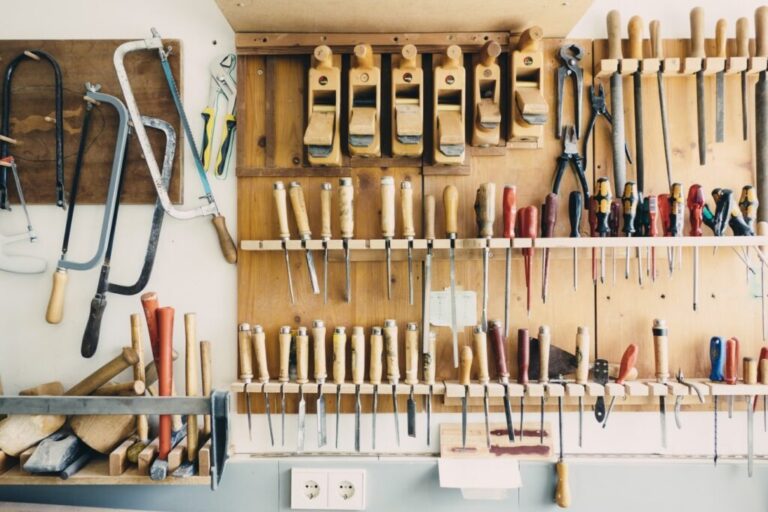
Chisels: These are very important in wood carpentry as they allow you to make clean, tight joints and precise grooves.
Hammer: A hammer is used with a chisel to drive the chisel into the wood without damaging the handle.
Screwdriver Set: Power tools are common, but you still need a screwdriver set for assembling and disassembling projects.
4. Tools for Shaping and Smoothing
Block Planes: You can use block planes to smooth surfaces, smooth out rough spots, and form lines. It can be used for many things to enhance your craft projects.
Surform Shaver: This hand tool is great for quickly shaping and cleaning wood surfaces, making it a great tool for those just starting.
Wood files and files: You’ll need these tools to smooth rough edges, make shapes more precise, and remove excess material.
5. Work Tools
Cordless drill: For woodworking, you need a cordless drill to quickly drill holes and drive screws.
Random Orbital Sander: If you want your project to be completed smoothly, a random orbital sander is the best way to quickly remove rough spots and other imperfections.
Router: A router is a useful tool for adding decorative edges and creating intricate designs, but is not necessary for beginners.
6. Safety Equipment
Safety Glasses: It is important to keep your eyes safe when working with wood. Safety glasses can protect your eyes from flying projectiles and sawdust.
Hearing protection: Prolonged use of power tools can cause hearing damage. Invest in comfortable earplugs to avoid long-term problems.
Dust mask or gas mask: A lot of dust is created when working with wood. To prevent dangerous particles from entering your lungs, you should wear a dust mask or respirator.
7. Essential Workshop Supplies
Workbench: A sturdy workbench provides you with a safe, organized project workspace. Look for one with plenty of space and different clamping options.
Clamps: You will need several clamps to hold the pieces together while the glue dries and to keep the project stable at different stages.
Tool Storage: Tool storage options allow you to keep your tools organized and easily accessible. This keeps your desk clean and extends the lifespan of your tools.
Conclusion
Gathering all the necessary woodworking tools takes time, and those just starting should focus on the basics first. As your skills and projects change, you can add more specific tools to your toolkit. If you can, buy high-quality tools and remember to put safety first. If you have the right tools and a strong desire to do a good job, you can create beautiful wooden projects.
FAQs
1. Why is a workbench important for woodworking?
A sturdy workbench gives you a safe place to do many things, such as sawing, assembling, and finishing. It often comes with clamping options, making your workspace more useful overall.
2. Do I need all the tools on the beginner’s list?
It would be nice if all the tools were on the list, but for now, a tape measure, circular saw, chisel, and safety are sufficient for beginners. As your skills improve, you can slowly add more tools to your collection.
3. Should Newbies Use Power Tools?
Power tools can make woodworking faster and easier, but hand tools can also be used for many jobs. It depends on what you like and how difficult your project is.
4. What safety equipment is needed when working with wood?
To protect your eyes, ears, and lungs from the potential hazards of woodworking, you should wear safety glasses, hearing protection, and a dust mask or respirator.
5. How do I choose the best wood for my project?
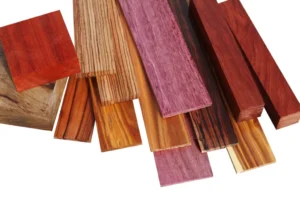
Think about what the job requires, your skills, and the characteristics of the wood (hardness, grain pattern, etc.). For beginners, softwoods such as pine work well. Hardwood, such as oak or maple, on the other hand, lasts longer and has a smooth surface.
6. Can I use hand tools instead of power tools?
Many things that need to be done with wood can be done with hand tools. This may take more work and time, but it’s a great way to learn new skills and appreciate old-fashioned craftsmanship.