Tip: you can open search by tapping the magnifying glass icon at the top.
Breathing Easy: Effective Dust Control in Woodworking
5 min read
Advertisement
970×250 / 728×90 / 336×280
Carpentry is a skill that allows people to create beautiful and useful things from simple materials. But there are also some problems. One of the most common problems with woodworking is a lot of dust in the workshop. Dust is not only bad for your health, it can also worsen the performance of the task. This article discusses some great ways to reduce dust in your woodworking space, improving the quality and efficiency of your woodworking space.
Adverse Health Effects of Sawdust:
Working with wood creates wood chips that can be harmful if inhaled. Long-term exposure to wood chips has been linked to respiratory problems such as asthma and other lung diseases. In addition, certain types of wood chips, such as those from oak or walnut trees, may contain cancer-causing chemicals. To protect their own health, woodworkers must make dust control a top priority.
Invest in a Good Dust Collection System:
Purchasing a good dust collector is one of the best ways to control dust in your woodworking shop. These systems use powerful suction to capture and remove dust, preventing it from becoming airborne. Cyclones work particularly well because they separate larger particles before they hit the filter, making the entire system work better.
Regular Cleaning and Maintenance:
For successful dust control, keep your work area clean and organized. Clean floors, surfaces and machines regularly to prevent dust build-up. To remove and remove dust particles, use a combination of sweeping, vacuuming and steam sweeping. Also make it a habit to clean or replace the filters in your dust collection system so that they work optimally.
Personal Protective Equipment:
Not only should woodworkers invest in a dust control system, but they should also wear the proper personal protective equipment (PPE) to prevent too much wood dust from getting on their skin. Wearing a gas mask, safety glasses and hearing protection are all part of this. For maximum protection, it is important to choose the right type of personal protective equipment for the carpentry work to be carried out.
Ventilation and Air Circulation:
A woodworking shop needs good air circulation to keep the air clean. Make sure the room is adequately ventilated so that air can flow between the inside and outside. Use fans wisely to move air and reduce the number of dust particles in the air.
How to Choose the Right Tools and Methods?
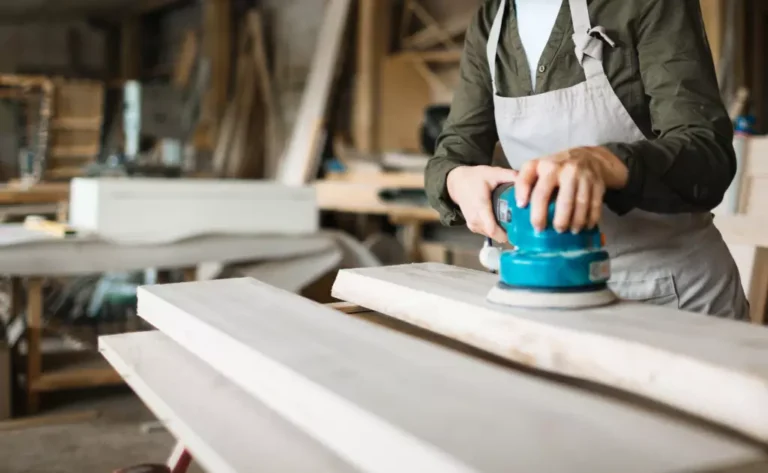
Using the right woodworking tools and methods can help significantly reduce dust production. For example, a tool with a dust collection port can be used that can be connected to a dust collection system to capture the dust source. Using hand tools with built-in dust collection can also help reduce dust when power tools are not needed.
Another way to reduce dust is to use different woodworking techniques, such as wet methods. Wet methods use water to reduce dust during cutting, sanding or shaping. This stops dust where it arises and also improves the quality of your work by reducing the risk of tearing and providing a smoother finish.
Training and Awareness of Employees:
Everyone in the woodworking shop knows the importance of reducing dust and how to properly use safety equipment. Trainings are held regularly to inform employees about potential health risks surrounding wood chips and the correct use of personal protective equipment. Encourage a culture of safety and responsibility so that everyone knows what they need to do to keep the workplace clean and safe.
Putting Dust Control Plans into Practice:
To systematically deal with dust in your woodworking area, you need to develop a detailed dust control plan. The plan should include technical controls, administrative controls and the use of personal protective equipment. Review the plan regularly and make changes if equipment, processes or rules change.
FAQs:
1. Why was dust controlled in woodworking?
Fabric management is crucial for woodworking and there are various reasons. First of all, Houtstof will be a health risk when it falls into trouble, which leads to breathing problems and in some cases, it is a long-term health problem. In addition, effective substance control can improve the overall quality of the woodworking environment, improve the life of the equipment and contribute to a safer and more productive workspace.
2. What are the health risks related to the exposure to wood and dust?
Long-term wood exposure will cause breathing problems such as asthma, bronchitis and other respiratory diseases. Certain types of wooden fabric (especially wooden wood in hardwood) can contain carcinogens, which increases the risk of serious health problems.
3. How do you control the dust in the woodworking workshop?
There are various effective ways to control the dust in the woodworking workshop. Use personal protective equipment (PPE) (ensure the correct ventilation and select the right tools and technologies), invest in high-quality disposal extraction systems and practice regularly cleaning and maintenance are the keys.
4. What type of dust extraction system is recommended for woodworking?
It is strongly recommended to use whirlwind fabric for carpentry. They used a strong suction to catch and remove dust from the source to prevent it from being spread in the air. Before the filter is reached, the whirlwind system can effectively separate larger parts, which improves overall performance.
5. Are there specific tools and technologies to minimise the production of dust?
Yes, choosing a tool with a dust gate that connects the dust extraction system can help reduce the production of dust to the greatest degree. In addition, the use of manual tools with built-in functions for collecting dust and considering the use of water to suppress dust to control dust are effective technologies to control dust.