

The landscape of debit cards in the United States is undergoing a transformative evolution, driven by advancements in technology and an increased emphasis on security. As financial institutions strive to meet the evolving needs of consumers, a new wave of trends is shaping the future of debit card usage.
This exploration delves into the emerging trends in debit cards across the USA, highlighting the integration of cutting-edge technology and heightened security measures.
Emerging trends in debit cards in the USA
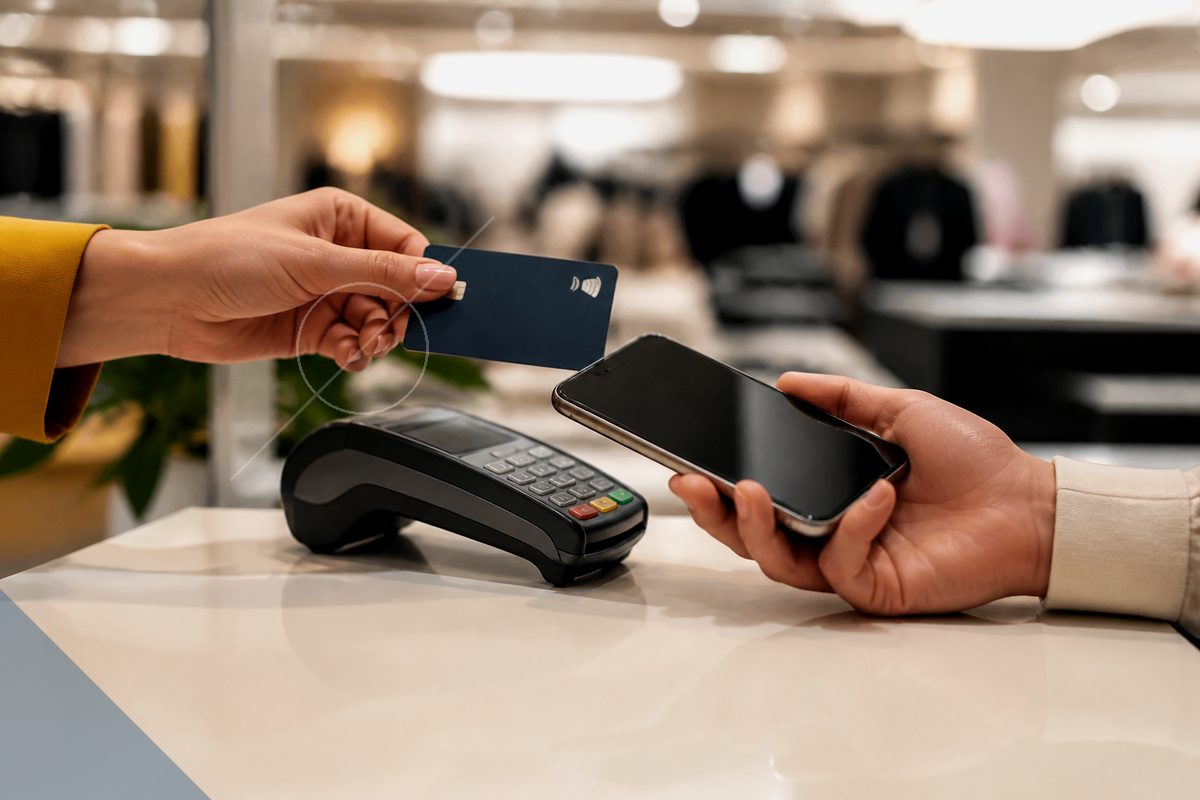
Contactless debit cards: the rise of tap-and-go technology
Contactless debit cards, leveraging Near Field Communication (NFC) technology, have gained immense popularity, revolutionizing the way consumers make payments. This trend is driven by the desire for a faster and more convenient payment experience.
Seamless transactions and convenience
Contactless debit cards allow users to make transactions by simply tapping their cards on compatible terminals. This seamless process eliminates the need for physical contact or the insertion of the card, providing a quicker and more convenient payment option. As businesses increasingly adopt contactless payment technology, consumers are embracing the efficiency and ease of this trend.
Enhanced security features
The adoption of contactless technology goes hand in hand with enhanced security features. Contactless transactions use tokenization, a process that replaces sensitive card details with unique tokens, reducing the risk of card information being compromised. The combination of convenience and heightened security makes contactless debit cards a prominent and evolving trend in the USA.
Integration with mobile wallets
Contactless debit cards are often integrated with popular mobile wallets, such as Apple Pay, Google Pay, and Samsung Pay. This integration allows users to add their debit card to their mobile device and make payments using their smartphones or smartwatches. The synergy between contactless cards and mobile wallets amplifies the versatility of payment options available to consumers.
Biometric authentication: a new era of security
In response to growing concerns about identity theft and fraud, the integration of biometric authentication methods into debit cards is gaining traction, ushering in a new era of enhanced security.
Fingerprint and facial recognition
Debit cards featuring biometric authentication utilize fingerprint and facial recognition technologies to verify the user’s identity. This added layer of security significantly reduces the risk of unauthorized transactions, as the cardholder’s unique biometric data serves as a secure authentication method. This trend aligns with the industry’s commitment to fortifying the security measures surrounding debit card usage.
Multi-factor authentication
Some debit cards now employ multi-factor authentication, combining biometrics with traditional PINs or passwords for an added layer of protection. This approach enhances security by requiring multiple forms of verification, making it more challenging for malicious actors to gain unauthorized access to a user’s debit card.
User acceptance and adoption rates
While biometric authentication brings robust security benefits, user acceptance and adoption rates are crucial factors in determining the success of this trend. Consumers are increasingly recognizing the importance of advanced security features, but widespread adoption depends on factors such as ease of use, reliability, and the overall user experience.
Personalization and customization: tailoring debit cards to user preferences
As the financial industry embraces personalization trends, debit cards are becoming more than just financial tools—they are expressions of individuality. Personalized and customizable debit cards allow users to tailor their cards to reflect their unique preferences and lifestyles.
Design options and aesthetic customization
Financial institutions are offering a range of design options for debit cards, allowing users to choose from a gallery of images, patterns, or even upload their own designs. This trend adds a personal touch to the otherwise standard appearance of debit cards, creating a more engaging and user-centric experience.
Rewards and incentives for personalized cards
Some banks incentivize the personalization of debit cards by offering rewards or benefits tied to the chosen design. These rewards may include cashback incentives, discounts at partner merchants, or exclusive access to certain promotions. By aligning personalization with tangible benefits, banks encourage users to engage with this trend.
In conclusion, the trends shaping the landscape of debit cards in the USA reflect a dynamic fusion of technology and security measures. As financial institutions continue to innovate, consumers can expect further advancements in contactless technology, biometric authentication, personalization, and financial wellness features.
Staying informed about these emerging trends empowers users to make choices that align with their preferences, lifestyles, and the evolving landscape of financial technology. The future of debit cards in the USA is not only about facilitating transactions but also about providing a secure, personalized, and enriching financial experience for users.